Drlogy
Healthcare organization
Understanding Targeted Therapy in Modern Cancer Treatment
Introduction
Cancer treatment has advanced significantly in recent years, moving beyond traditional methods like chemotherapy and radiation to more precise approaches. One of the most important developments is Targeted Therapy, which focuses specifically on cancer cells while minimizing harm to healthy tissues. This modern treatment option is helping improve outcomes and quality of life for many patients worldwide.
What is Targeted Therapy?
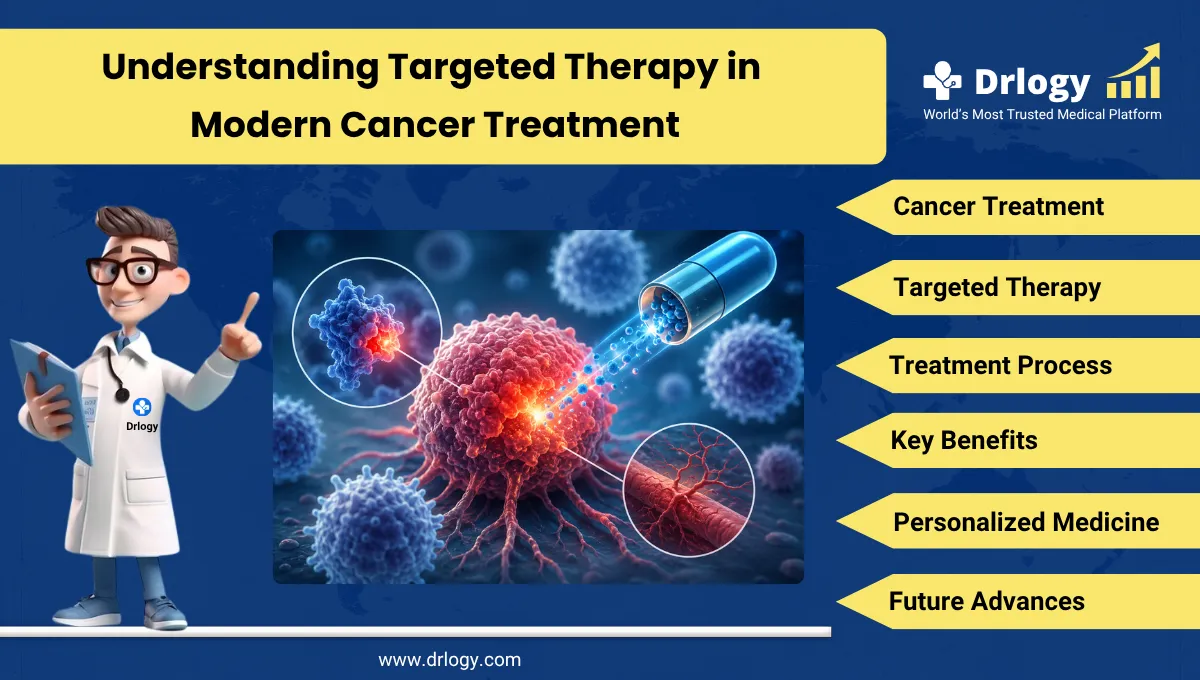
Targeted therapy is a type of cancer treatment that uses drugs or other substances toentify and attack specific cancer cells. It works by focusing on unique genes, proteins, or the tissue environment that contributes to cancer growth and survival. Unlike traditional treatments, it is designed to act with precision, making it a more effective and less damaging option in many cases.
Visit: Targeted Therapy
How Targeted Therapy Works
Targeted therapy operates at a molecular level. It can block signals that encourage cancer cells to grow, stop the formation of new blood vessels that feed tumors, or trigger the destruction of cancer cells. This focused mechanism helps slow or stop the progression of cancer without affecting most normal cells in the body.
Benefits of Targeted Therapy
One of the main advantages of targeted therapy is its precision. Because itectly targets cancer cells, patients often experience fewer side effects compared to traditional treatments. It also supports personalized treatment plans, allowing doctors to choose therapies based on a patient’s specific cancer type and genetic profile.
In addition, targeted therapy can improve treatment effectiveness when combined with other methods such as chemotherapy or immunotherapy. Many healthcare institutions, including Liv Hospital, are adopting advanced approaches to ensure patients receive the most suitable and effective treatments available.
Role in Personalized Medicine
Personalized medicine is a growing trend in healthcare, and targeted therapy plays a key in this approach. Doctors may conduct genetic testing toentify mutations in cancer cells and then select treatments specifically designed to address those mutations. This tailored approach increases the chances of success and reduces unnecessary treatments.
Challenges and Considerations
While targeted therapy offers many benefits, it is not without challenges. Some patients may develop resistance over time, making the treatment less effective. Additionally, mild side effects such as fatigue, skin issues, or digestive problems may occur depending on the specific therapy used.
However, ongoing research is continuously improving these treatments, making them safer and more effective for a wider range of patients.
Future of Targeted Therapy
The future of targeted therapy is promising. Scientists are constantly discovering new treatment targets and developing innovative drugs to improve patient outcomes. As research progresses, targeted therapy is expected to become even more precise and widely available, offering hope to millions of patients around the world.
Conclusion
Targeted therapy represents a major advancement in cancer care. Its ability to focus on specific cancer cells while protecting healthy tissue makes it a powerful and effective treatment option. As medical science continues to evolve, targeted therapy will play an increasingly important in improving cancer treatment and patient well-being.